April 30-May 2, 2026 @ Gideon Putnam Hotel, Saratoga Springs, NY
CONFERENCE SCHEDULE AT A GLANCE
We are offering two dynamic learning tracks. The Foundations Track – Building Bridges supports new mediators and allied professionals in strengthening core skills with confidence. The Navigating Complexity Track – Crossing Currents supports professionals further along their journey, with sessions on complicated topics. The goal is to provide opportunities for everyone to grow, connect, and navigate the challenges of practice.
Foundations Track:
Building Bridges
Strengthen your skills and lay the groundwork for confident practice.
Thursday, April 30, 2026
11:30 am Lunch Buffet Opens
12:00 pm A Jeopardy-Style Financial Challenge for Mediators
(Working lunch will continue through this session)
1:30 pm Break
2:00 pm PLENARY: Mediating Through Impasse
3:30 pm Break
3:45 pm PLENARY: Improving Outcomes through Tax Awareness
5:30 pm Session Ends
6:30 pm Cocktail Reception
7:30 pm Dinner, Entertainment & Awards
Friday, May 1, 2026
8:15 am PLENARY: The Centered Mediator
9:45 am Break
10:15 am Wake Up Your Website!
11:45 am Lunch, Annual Meeting, Election, Town Hall
1:45 pm Mediating in the Face of Financial Betrayal
3:15 pm Break
3:30 pm PLENARY: Legal Trends for Mediators
5:30 pm Session Ends
6:30 pm Cocktail Reception
7:30 pm Dinner & 60s Throwback Dance Party - Live Band
Saturday, May 2, 2026
8:30 am PLENARY: Understanding and Maintaining Mediator
Neutrality
10:00 am Break
10:30 am Cyber Security and AI
12:00 pm Sessions End. Pick up boxed lunch and head to a
Peer Group or Committee Table
1:00 pm Conference Ends
Navigating Complexity Track:
Crossing Currents
Expand your expertise and navigate complexities with virtuosity.
Thursday, April 30, 2026
11:30 am Lunch Buffet Opens
12:00 pm Rethinking Domestic Violence in Mediation
(Working lunch will continue through this session)
1:30 pm Break
2:00 pm PLENARY: Mediating Through Impasse
3:30 pm Break
3:45 pm PLENARY: Improving Outcomes through Tax Awareness
5:30 pm Session Ends
6:30 pm Cocktail Reception
7:30 pm Dinner, Entertainment & Awards
Friday, May 1, 2026
8:15 am PLENARY: The Centered Mediator
9:45 am Break
10:15 am Attacking and Defending Trust Assets
11:45 am Lunch, Annual Meeting, Election, Town Hall
1:45 pm Trauma-informed Mediation
3:15 pm Break
3:30 pm PLENARY: Legal Trends for Mediators
5:30 pm Session Ends
6:30 pm Cocktail Reception
7:30 pm Dinner & 60s Throwback Dance Party - Live Band
Saturday, May 2, 2026
8:30 am PLENARY: Understanding and Maintaining Mediator
Neutrality
10:00 am Break
10:30 am Needs of the Child in Mediation
12:00 pm Sessions End. Pick up boxed lunch and head to a
Peer Group or Committee Table
1:00 pm Conference Ends
DETAILED CONFERENCE SCHEDULE - Thursday, April 30, 2026
Thursday, April 30, 2026 - 11:30 am (Lunch Buffet Opens)
Working Lunch - 12:00 pm to 1:30 pm - Foundations Track

Assets, Income, and Everything In Between: A Jeopardy-Style Financial Challenge for Mediators
Speaker: Melissa Murphy Pavone, CFP, CDFA, and Sara Nanchanatt, CPA, CFF, Christopher Henwood, CDLP
Moderator: Michael Henry, Esq.
(1.5 CLEs, CEs Pending - Areas of Professional Practice)
Divorce mediation is full of financial gray areas—assets that don’t fit neatly into boxes, income that isn’t as straightforward as a W-2, and decisions that carry long-term tax and cash-flow consequences.
This interactive, Jeopardy-style session helps mediators build confidence around the financial issues that most often stall negotiations or create unintended outcomes. Through real-world scenarios and collaborative problem-solving, participants will learn how to spot financial red flags, ask better questions, and know when to bring in the right financial professional.
Key Takeaways
- Understand how different types of assets and income are treated in divorce—and why it matters
- Learn how to identify financial complexities that may require a CDFA®, CPA, CDLP®, or valuation expert
- Strengthen financial fluency to support more informed, efficient mediation discussions
- Apply a team-based approach to cases involving taxes, business interests, deferred compensation, or mortgage challenges
- Promote clearer communication and collaboration across legal, financial, and mediation professionals
Thursday, April 30, 2026 - 11:30 am (Lunch Buffet Opens)
Working Lunch - 12:00 pm to 1:30 pm - Complexity Track

Control, Coercion, and Consent: Rethinking Domestic Violence in Mediation
Speaker: Sheryl-Anne Sastow, Esq. and Adam Halper, Esq.
Moderator: Kristen Lyndaker, Esq.
(1.5 CLEs, CEs Pending - Ethics and Professionalism)
This session will explore the complex intersection of domestic violence/intimate partner violence, power, and consent in divorce mediation. Moving beyond a basic overview of domestic violence, the panel will engage participants in a discussion of when, whether, and how mediation may be ethically appropriate when coercive dynamics are present. Attendees will deepen their ability to identify power-and-control patterns, assess a party’s capacity for meaningful participation, and evaluate whether true self-determination is possible. Panelists will share practical considerations for designing and implementing process safeguards that protect client safety while preserving the integrity of the mediation process. Real-world case examples will illustrate how experienced mediators navigate these issues in practice, including moments when mediation proceeds, is modified, or is appropriately terminated.
Key Takeaways
- Strengthen your ability to assess coercion, agency, and consent.
- Learn techniques for structuring mediation—such as staggered sessions, support persons, communication controls, and safety protocols—when domestic violence is a factor.
- Gain insight into how experienced mediators weigh ethical obligations, client autonomy, and safety when deciding whether to proceed, pause, or terminate mediation.
PLENARY: Thursday, April 30, 2026 - 2:00 pm to 3:30 pm

Creating Calm: Mediating Through Impasse to Foster Peace and Progress
Speaker: Talaiya Ahmed, Esq., Randy J Heller, Ph.D., LMFT, LMHC, and Ada Hasloecher
Moderator: Daniel R. Burns, Esq.
(1.5 CLEs, CEs Pending - Skills)
Impasse is often the moment when mediation feels most fragile and most transformational. This session explores the skills required to de-escalate tension, restore forward momentum, and reframe impasse as an opportunity for clarity and movement. Through practical frameworks, reflective discussion, and applied examples, participants will examine how a mediator’s presence, emotional regulation, and analytical thinking directly influence party behavior and decision-making. Participants will engage in hands-on exercises and guided discussions to learn practical tools they can immediately integrate into their practice when facing entrenched conflict and high-stakes impasse.
Key Takeaways
- Strengthen Self-Regulation Techniques: Learn strategies to maintain composure and emotional control during conflicts, and to create a peaceful and constructive environment.
- Enhance Logical Thinking Skills: Expand ability to critically analyze conflict situations, and identify key issues and potential solutions while promoting harmony.
- Deepen Problem-Solving Approaches: Engage in practical exercises to cultivate innovative problem-solving techniques that can be used to resolve impasses by facilitating a peaceful dialogue.
PLENARY: Thursday, April 30, 2026 - 3:45 pm to 5:30 pm

Twists, Turns & Takeaways: Improving Divorce Outcomes Through Tax Awareness
Speaker: Mark A. Josephson, Esq., CPA, CFP, CFE, CGMA, and Jay Mota, MAFF®,CDFA®, CFP®, CQS®, ChFC®, WMCP®
Introducer: Kenneth J. Novenstern, Esq.
(2 CLEs, CEs Pending - Skills)
This presentation provides a practical framework for divorce professionals to understand how tax mechanics impact equitable distribution, support negotiations, and long-term cash flow, allowing them to spot financial red flags, and to know when to engage a financial expert to protect their clients. It covers key topics like depreciation, capital loss carryforwards, filing status, and the new tax laws. By focusing on after-tax results and translating complex tax rules into clear settlement strategies, this presentation equips professionals to reduce conflict, improve transparency, and help parties reach more informed, durable, and amicable resolutions.
Key Takeaways
- Prioritize After-Tax Net Worth: Move past gross asset values to evaluate settlements based on true economic outcomes and long-term liquidity.
- Identify Financial Red Flags: Learn to analyze client disclosures for "silent" tax liabilities, including basis issues and recapture risks in real estate or business assets.
- Master Modern Tax Mechanics: Navigate the impact of the latest tax laws on filing statuses (e.g., Head of Household) and the strategic use of capital loss carryforwards.
- Bridge the Literacy Gap: Gain practical tools to interpret W-2s, distinguish between ordinary income and capital gains, and calculate effective tax rates to model realistic future cash flow.
- Enhance Settlement Durability: Reduce the risk of post-divorce disputes by ensuring all parties understand the net impact of their final agreement.
The Fun Stuff - Thursday, April 30, 2026 - Starting at 6:30 pm

Sponsored Cocktail Reception
Dinner
Professional Comedy Show
Awards Ceremony
DETAILED CONFERENCE SCHEDULE - Friday, May 1, 2026
PLENARY: Friday, May 1, 2026 - 8:15 am to 9:45 am

The Centered Mediator: Mindfulness Tools to Preserve Energy, Reduce Reactivity & Cultivate Grounded Communication
Speaker: Courtney Schulnick, Esq.
Moderator: Lara Traum, Esq.
(1.5 CLEs and CEs Pending - Law Practice Management)
Divorce mediation is uniquely demanding. Whether you are a mediator, an attorney, financial neutral, mental health professional or allied divorce professional, you carry extraordinary responsibility. You hold not only families, but also the dynamics of the professionals involved in the process. Mediators must skillfully hold multiple emotional landscapes at once: foremost the clients’ grief, anger, uncertainty, or cultural complexities. At the same time, mediators are monitoring their own internal responses, biases, and nervous-system activation. This multidirectional emotional load makes the mediator’s grounded presence essential.
This experiential workshop introduces mindfulness as a professional skill that strengthens emotional steadiness, preserves neutrality, and helps mediators avoid taking on the conflict energy in the room. Participants will explore the ways in which the nervous system responds to stress, how even the most highly skilled practitioners can be impacted by other people’s emotions, and how mindfulness restores clarity, presence, and choice under pressure.
We will examine
- How mediators can regulate their own nervous system in real time.
- How mediator presence influences their clients and other professionals.
- How to stay balanced amidst competing perspectives and escalating emotion.
- Mindfulness as a tool for multicultural sensitivity, attunement, and relational steadiness.
- Techniques to prevent emotional exhaustion and maintain long-term resilience.
- Research on how mindfulness reduces reactivity and enhances conflict-resolution outcomes.
- Practical tools to help mediators and clients settle, communicate, and collaborate more effectively.
Attendees will experience a guided grounding meditation practice, explore mindful communication techniques, and learn fast, reliable on-the-spot strategies they can use during sessions to preserve energy, maintain neutrality, and create a calmer, more collaborative environment for all parties. Everyone will leave with practical tools they can use immediately, supporting both their professional effectiveness and their personal well-being.
Friday, May 1, 2026 - 10:15 pm to 11:45 am - Foundations Track


Wake Up Your Website!
Why Your Online Presence Matters More Than Ever in 2026
Speakers: Kevin Clark, Esq., and Nicolas Crocitto, Co-chairs of Public Awareness Committee,
Liz Vaz, Esq., Caroline Melkonian, and Alex Clark
Introducer: Renee LaPoint, MS
(1.5 CLEs and CEs Pending - Law Practice Management)
Your website is your organization’s front door and often the first and most important impression you make. This session will show you how to get the most out of your website by showing up where potential clients are searching and guiding them toward the services they’re looking for.
Key Takeaways
- Discover best practices in website design that attract clients, make it easier for them to choose you, and improve their overall experience on your site.
- Understand how leveraging backlinks, professional networks, and collaborative content help increase visibility on Google.
- Learn what SEO actually is in simplified terms and why it’s not as mysterious as it seems. We will also explore how getting help with SEO can significantly benefit your mediation practice and help the families we serve find you.
- Learn simple, practical SEO steps that anyone can use and make simple, meaningful updates that increase your impact.
- Discover how to improve visitor experience and guide users to the information they need.
- During the conference, session attendees can receive a complimentary 10-minute, one-on-one review of your website from the Public Awareness Committee. Members will suggest quick and actionable improvements.
Friday, May 1, 2026 - 10:15 am to 11:45 am - Complexity Track

Attacking and Defending Trust Assets in Divorce:
What Mediators Need to Understand
Speaker: Sharon L. Klein, Esq.
Moderator: Donna LaScala, RFC, CDFA
(1.5 CLEs and CEs pending - Areas of Professional Practice)
Trusts can complicate divorce in ways that are often invisible at first glance—yet they frequently become flashpoints for conflict, delay, and impasse. This session demystifies how trust assets are examined, challenged, and protected in divorce proceedings, with a focus on what mediators need to recognize at the table.
Presenters will explain, in accessible terms, the different types of trusts commonly encountered in divorce and how courts analyze control, access, and intent when determining whether trust assets or income may be considered in equitable distribution, support, or settlement negotiations. Emphasis is placed on helping mediators spot red flags, reality-test party assumptions, and understand when trust issues require expert involvement.
Designed for experienced mediators, this program translates complex trust concepts into practical guidance that supports informed, durable agreements—without asking mediators to step outside their neutral role.
Key Takeaways
- Learn how to identify trust structures, trustee roles, and beneficiary rights that may affect property division, support, or leverage in negotiation.
- Understand how trust assets are commonly “attacked” or “defended” in divorce so you can help parties assess risk, expectations, and settlement options neutrally.
- Gain clarity on when trust issues signal the need for legal, tax, or financial expertise—and how mediators can integrate that input into the process effectively.
ANNUAL MEETING: Friday May 1, 2026 - 11:45 am to 1:45 am

Lunch & Annual Meeting
Friday, May 1, 2026 ~ 11:45 am to 1:45 pm
President's Report
Treasurer's Report
Election Results
Member Town Hall
Friday, May 1, 2026 - 1:45 pm to 3:15 pm - Foundations Track
Mediating in the Face of Financial Betrayal
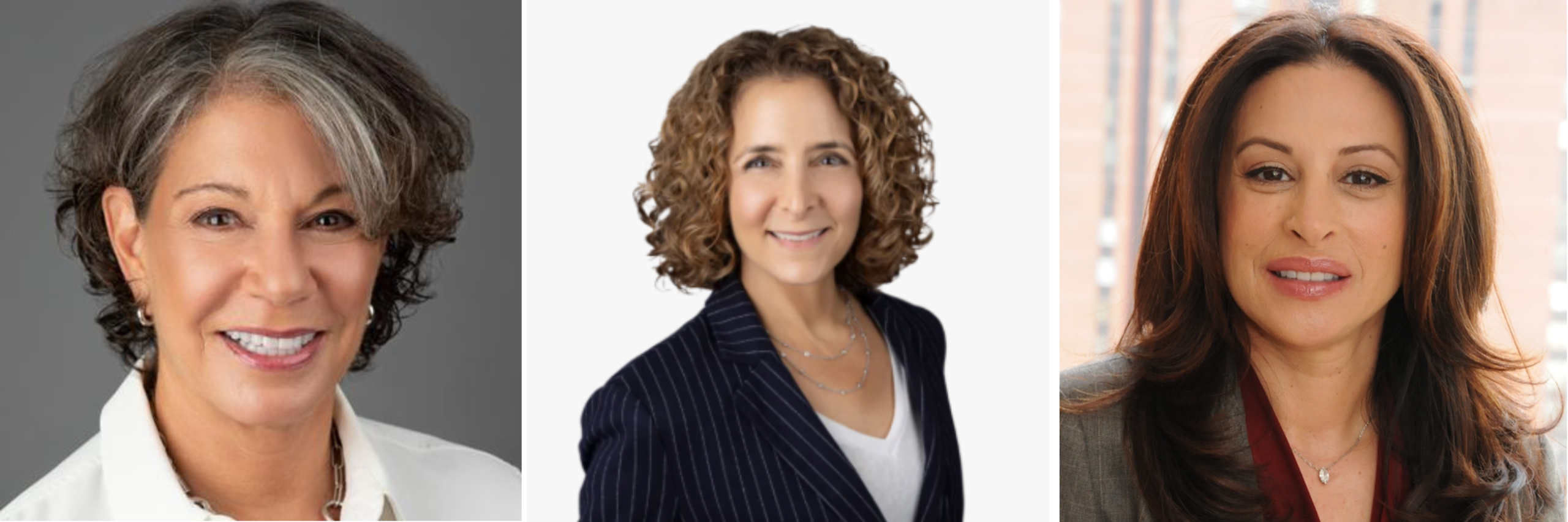
Speaker: Ivy H. Menchel, CFP®, CDFA®, CBEC®, WFAA®, and Andrea Vacca, Esq.
Moderator: Rosalia M. Labate CPA P.C., CPA/CDFA/CVA/MAFF
(1.5 CLEs, CEs Pending - Skills)
Financial Betrayal can occur for many different reasons, not all of which arise out of an intention to harm. This program will define what financial betrayal is and how mediators, collaborative professionals and a divorce team who is committed to keeping their clients out of court should deal with it. Financial betrayal will significantly affect a marriage and will certainly impact the divorce process or postnuptial agreement process. As a divorce specialist, the progress of the case will be hampered unless you recognize the issues and address them so that both parties feel comfortable enough to proceed.
Key Takeaways
- Recognize financial betrayal.
- Understand the impact of financial betrayal on the marriage and the divorce process.
- Develop tools to help clients feel safer as they negotiate postnuptial or divorce agreements.
Friday, May 1, 2026 - 1:45 pm to 3:15 pm - Complexity Track

What's Happening in the Room? Integrating Trauma-Informed Practices into Family Mediation
Speaker: Genesis Fisher, Esq.
Moderator: Amy Carron Day, Esq.
(1.5 CLEs, CEs Pending - Diversity, Inclusion and the Elimination of Bias)
Divorce represents one of life's most profound disruptions, affecting not just legal status but fundamental issues of identity, belonging, and security. This session explores how understanding trauma responses enhances mediator effectiveness, builds necessary trust, and facilitates meaningful resolution in family disputes. Through interactive lecture and group problem-solving exercises, participants will learn to recognize diverse trauma responses, understand how emotions function as essential data in mediation, and develop strategies for addressing our clients' most vulnerable moments. This is not about being therapists—it's about enhancing our mediation skills to navigate the emotional and layered landscape of family dissolution.
Key Takeaways
- Trauma-informed practices are essential for effective mediation. Understanding trauma responses enables mediators to build the trust necessary for successful resolution, challenge parties appropriately without re-traumatizing them, and facilitate creative problem-solving that addresses parties' actual needs.
- Psychological safety is crucial in family mediation and requires continuous monitoring throughout the mediation process.
- Emotions are data, not obstacles. Recognizing and working with the emotional landscape of divorce provides essential information about parties' positions, priorities, and potential pathways to resolution.
PLENARY: Friday, May 1, 2026 - 3:30 pm to 5:30 pm

From the Courtroom to the Mediation Table:
Legal Trends Divorce Mediators Need to Know
Speakers: TBA
Moderator: Connie Fraser
(2 CLEs and CEs Pending - Law Practice Management)
This session examines current legal and judicial trends in New York divorce practice and explores how those trends are increasingly influencing mediation process and outcomes. Professionals from New York’s Western, Central, and Downstate regions will share perspectives on how evolving court expectations and practice trends are showing up across jurisdictions.
While mediators do not provide legal advice, they operate within a legal framework that shapes client expectations, court review of mediated agreements, and the long-term durability of settlements.
Through a moderated panel discussion and interactive fact pattern exercises, participants will explore emerging trends related to parenting language, financial disclosure expectations, informed consent, deviations from statutory guidelines, and judicial scrutiny of mediated agreements. The focus is on translating legal trends into ethically appropriate mediation practices—helping mediators recognize sensitivities, ask legally informed process questions, and identify when pacing, modification, or referral is necessary.
This session is designed to increase legal awareness for mediators and allied professionals while maintaining clear ethical boundaries between legal information, legal advice, and mediation practice.
Key Takeaways
- Increase legal awareness of current judicial and practice trends affecting divorce mediation.
- Strengthen ethical boundaries between legal information and legal advice.
- Apply legally informed process questions to support informed, voluntary decision-making.
- Recognize when mediation pacing, modification, or referral may be ethically required.
The Fun Stuff - Friday May 1, 2026 - Starting at 6:30 pm
Sponsored Cocktail Reception
Dinner
Dance with Doc Scanlan's Band
DETAILED CONFERENCE SCHEDULE - Saturday, May 2, 2026
PLENARY: Saturday, May 2 - 8:30 am to 10 am

Understanding and Maintaining Mediator Neutrality:
Challenges and Best Practices
Speaker: Christopher M. Kwok, Esq.
Moderator: Michael Henry, Esq.
(1.5 CLEs and CEs Pending - Ethics and Professionalism)
This program examines the foundational principle of mediator neutrality and explores the practical challenges mediators face in maintaining impartiality throughout the mediation process. Participants will explore:
- The distinction between neutrality, impartiality, and even-handedness in mediation practice.
- The mediator's inherent interest in achieving settlement and how this affects the neutrality calculus.
- Balancing neutrality toward the parties with the mediator's investment in reaching resolution.
- Recognizing personal biases (cultural, experiential, outcome-oriented) and developing strategies to step outside of them during the mediation process.
- Self-awareness techniques and real-time bias checks mediators can employ.
- Strategies for managing personal biases and maintaining credibility with all parties while actively facilitating settlement.
- The intersection of neutrality with the mediator's duty to ensure procedural fairness.
- Balancing neutrality with reality-testing and evaluative techniques that push toward settlement.
Saturday, May 2, 2026 - 10:30 am to 12:00 pm - Foundations Track

Cybersecurity & AI: What Mediators and Attorneys Need to Do Now
Speakers: Alla Roytberg, Esq. and Mairim Vant
Moderator: Jun Chen, CFP®, CPFA®, CDFA®
(1.5 CLEs and CEs Pending - Cybersecurity, Privacy and Data Protection - Ethics)
Cybersecurity and artificial intelligence are rapidly reshaping how mediators and attorneys communicate, store information, and serve clients — bringing both powerful efficiencies and serious risks. This session focuses on what legal and dispute resolution professionals must do today to protect client confidentiality, comply with ethical obligations, and responsibly use AI in practice. Participants will gain practical guidance on safeguarding sensitive data, identifying cyber and AI-related risks, and implementing reasonable, defensible protections in everyday workflows.
Key Takeaways
- Identify the most common cybersecurity and AI-related threats in mediation and legal practice—and learn practical steps to mitigate them.
- Understand how to evaluate AI tools, protect client data, and comply with confidentiality and professional responsibility standards.
- Leave with actionable best practices for data security, communication, and technology use that protect both clients and your professional reputation.
Saturday, May 2, 2026 - 10:30 am to 12:00 pm - Complexity Track

Addressing the Needs of the Child in Mediation:
An Interdisciplinary Conversation on Practical Tools, Ethical Boundaries and Professional Roles
Speakers: Candi Fulop, Esq., Nora Marcus, LMSW, Connie Fraser
Moderator: Donna LaScala, RFC, CDFA
(1.5 CLEs and CEs Pending - Skills and Ethics)
This interdisciplinary panel explores how mediators can meaningfully address the needs of children while remaining within ethical, professional, and role-defined boundaries. Bringing together perspectives from mediation, child advocacy, and mental health, the discussion focuses on how child-centered principles can be integrated into mediation without compromising neutrality, informed consent, or scope of practice.
Key Takeaways
- Identify and distinguish the professional roles, ethical obligations and scope-of-practice boundaries for Mediators, Attorneys for the Child and Mental Health Professionals in child-centered mediation.
- Apply child-centered mediation principles and techniques to parenting plan discussions that support children's developmental and emotional needs while maintaining Mediator neutrality, informed consent and professional boundaries.
- Evaluate when interdisciplinary collaboration or referral is appropriate in mediation involving children, consistent with ethical standards, professional judgment, and training to best supports the child's needs.
LUNCH: Committees, Peer Groups, Practice Areas - 12 pm to 1 pm

You Asked For It!
Casual Lunch to Reconnect, Recap & Reinvigorate!
Saturday, May 2, 2026 ~ 12 pm to 1 pm (Or hang out longer if you like!)
You've asked for more time during the conference to catch up with longtime colleagues and build bonds with new friends. Our closing lunch will give you focused time to socialize, discuss business, recap highlights from the conference - whatever you like. As you hit the road home and go back to helping clients, you will do so inspired and reinvigorated. Boxed lunches will be provided so you have the option of eating lunch in the hotel, going outside for a picnic, or heading home with some nourishment. Anyone wanting to reserve a table (committees, peer groups, practice areas, etc.) please contact director@nysmediate.org
Conference ends after lunch. Safe home! See you next year!
The Fun Stuff
Focus on YOUR Self Care and Healing
Yoga, nature walks and other opportunities throughout the conference to take time to take care of yourself.

Business Expo
Promote your products and services to attendees Thursday, April 30, through Saturday, May 2. To promote your business click here.

Event Terms and Conditions
NYSDRA MEMBERS and MEMBERS OF OTHER STATE ORGANIZATIONS THAT DO NOT PRACTICE IN NEW YORK, are eligible for NYSCDM member rates. Government and court employees are eligible for member rates as well. Please email director@nysmediate.org
CONTINUING LEGAL EDUCATION: “New York State Council on Divorce Mediation has been certified by the New York State Continuing Legal Education Board as an Accredited Provider of continuing legal education in the State of New York through July 24, 2026. CLE credits will be earned depending on sessions attended. All sessions are suitable for newly appointed and experienced attorneys. Continuing Education credits are provided for beginning and advanced mediators." ContinuingEd@NYSmediate.org
CONTINUING EDUCATION CREDITS for mediators and allied professionals will be provided for all sessions by NYSCDM.
CONTINUING EDUCATION CREDITS for financial professionals can be self reported to appropriate organizations. Details are pending.
CONTINUING EDUCATION CREDITS for social workers are pending.
FINANCIAL SPONSORSHIP: NYSCDM’s Financial sponsorship policy is available upon written request. To apply, write Connie Fraser at Crossbridge Office Park, 2000 S. Winton Road, Bldg. 4, Suite 305A, Rochester, New York 14618 ContinuingEd@NYSmediate.org
REFUNDS: For requests received via email by April 15, refunds will be granted as follows: amount paid, less a $75 administrative fee. Thereafter, no refunds will be granted. In the case of Covid-19, refunds or credits will be determined on a case-by-case basis.
ACCESSIBILITY: If you have any requirements for accessibility or other needs, please let us know on the event registration form or contact director@nysmediate.org
DIETARY ACCOMMODATIONS: If you have any dietary requirements, please let us know on the event registration form or contact director@nysmediate.org
SCHEDULING: All efforts were made to ensure the accuracy of the schedule. If there are any unforeseen changes, all efforts will be made to provide replacement speakers or sessions that are equally dynamic.
PHOTOGRAPHY, VIDEOGRAPHY & RECORDING: By registering and/or attending the NYSCDM Annual Conference, you are providing your consent to be photographed, videoed or otherwise recorded. Such content will be used at the discretion of the Council on websites, on social media platforms, in printed materials, and via other media assets. By physically attending and participating in the conference, you are waiving and releasing any claims related to the use of your likeness at the event. Currently, there are no plans to record or simulcast conference sessions. If that changes, this policy will cover that activity.
HEALTH AND SAFETY - The Council encourages all attendees to use their best judgment and appropriate precautions while attending this event. Currently there are no restrictions on gatherings in New York State. Should anything change, we will notify you. If you feel more comfortable wearing masks, practicing safe distancing or taking other precautions while attending the event, please feel free to do so. The Council will work with the hotel provide reasonable accommodations and use best health and safety practices for all attendees.
ADVERTISING AND SPONSORSHIP POLICY - As a 501(c)(3) organization, the New York State Council on Divorce Mediation (NYSCDM) does not accept advertisements promoting political, religious, or ideological views. This policy ensures that all advertising content aligns with our mission to maintain an unbiased and professional environment for all members. NYSCDM reserves the right to accept or reject any advertisement submitted for publication for any reason. NYSCDM also reserves the right to remove any advertisement at any time if it does not meet with our standards, violates our policies, or is deemed inappropriate or inconsistent with our values. NYSCDM is not obligated to provide an explanation for the rejection or removal of any advertisement.
By registering for this event, you hereby acknowledge and agree to the following:
1) The NYSCDM will follow New York State laws regulating events. At this time, there are no requirements for proof of vaccinations for Covid-19;
2) If you are not feeling well during the time of the event, due to any illness, you will use appropriate precautions to protect the health of other event attendees, which might include wearing a mask, safe distancing, not attending event sessions, etc.;
3) You are aware that there are inherent risks and hazards connected with attending in-person events that cannot be eliminated regardless of the care taken and you assume the risk of such risks, including, but not limited to, the potential of being infected with COVID-19;
4) Understanding the inherent risks, you are electing to voluntarily attend the event; and
5) You release the Council from any and all liability arising out of or relating to any injury or illnesses (including COVID-19) sustained by you while participating in or attending the event, including while in, on, or upon the premises where the event is being conducted, to the maximum extent permitted by applicable law.